AI Adoption & Change Communication
AI Rollout & Change Communication
The organization needs to explain an AI pilot, tool, workflow, assistant, policy update, or initiative clearly across employees, managers, leaders, and affected teams.
When to use this offering
This offering is useful when an AI pilot, tool, workflow, assistant, policy update, or internal initiative is technically planned or already underway, but the people affected by it do not yet understand the purpose, scope, timing, expectations, risks, or available support.
The purpose is not clear
Employees know an AI initiative is coming but do not understand why it is being introduced or which business need it addresses.
Employees do not know what will change
Teams lack a practical explanation of which workflows, responsibilities, tools, or expectations will change and which will remain the same.
Managers are not prepared
Managers are expected to answer questions before they have approved talking points, FAQs, escalation guidance, or team-meeting materials.
Audiences need different information
Executives, managers, pilot users, frontline employees, HR, IT, legal, and affected business units require different levels of detail.
Risk questions are unanswered
Employees are asking about privacy, data use, accuracy, bias, oversight, approval, job impact, and acceptable use without one consistent response.
Messages are scattered
Information is being shared through disconnected emails, meetings, presentations, chats, and informal manager explanations.
The launch has no communication sequence
The organization lacks a coordinated plan for pre-launch alignment, manager briefings, employee announcements, training reminders, feedback, and follow-up.
What you get
Deliverables may include an AI rollout brief, communication plan, initiative-message framework, audience map, launch announcements, employee FAQs, manager talking points, rollout-hub content, risk messaging, and a coordinated communication calendar.
AI Rollout Communication Brief
Rollout Communication Plan
AI Initiative Message Framework
Audience Message Map
Launch Messaging
Clearer Rollout Messaging
Better-Prepared Managers
Coordinated Launch Communication
Employee FAQs
Manager Talking Points
Team Discussion Guide
Resistance and Risk Messaging
Rollout Hub Content
Communication Calendar
What this can include
What AI Rollout & Change Communication Can Include
Every package is shaped by the initiative, affected audiences, launch timing, known risks, employee concerns, manager responsibilities, available training, and the channels through which the rollout will be introduced.
An AI initiative isn’t ready to launch just because the technology is ready. Employees need to understand why it’s happening, managers need to know how to talk about it, leaders need a consistent message, and everyone affected needs clarity about what will change, what won’t, and what happens next.
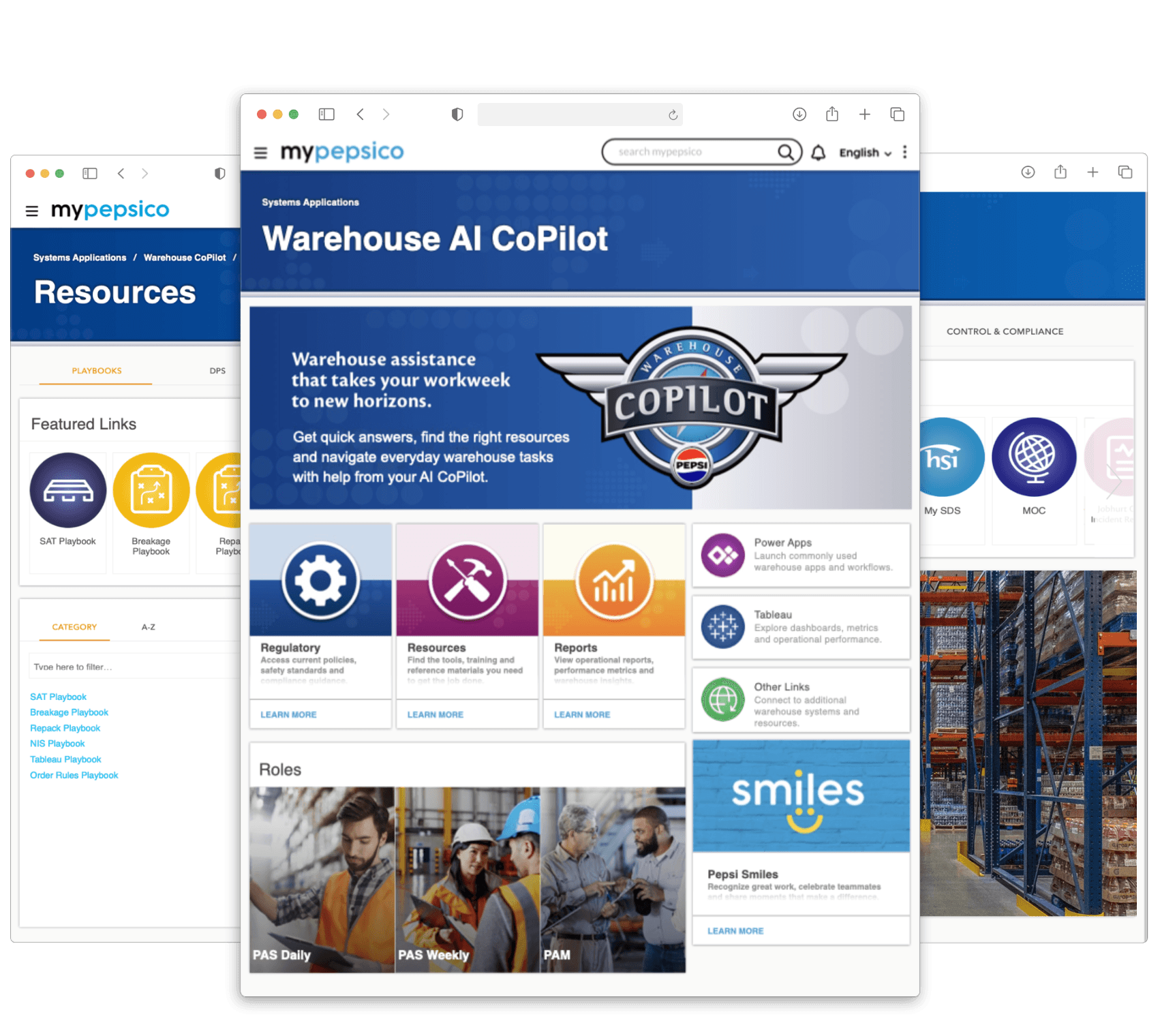
This interactive example shows how those pieces come together in a coordinated rollout communication system; from leadership announcements and manager briefings to employee messaging, FAQs, support resources, feedback, and follow-up. Explore the experience to see how communication can be sequenced across audiences and channels so the organization moves forward with greater clarity and confidence.
For a guided walkthrough, select the Guided tour button in the upper right or the experience.
Best fit
Who AI Rollout & Change Communication Helps
Enterprise Organizations
Align complex teams, tools, and communications to drive transformation.
Executives
Turn expertise into visible influence and communicate with impact.
Change & Transformation Teams
Help people understand, adopt, and sustain new ways of working.
HR & Talent Leaders
Employer brand, onboarding, and workforce readiness with clarity.
Step by step
01
Define
We clarify the initiative, business purpose, affected teams, launch timing, workflow impact, manager needs, known risks, and existing communication gaps.
AI initiative review
Purpose and scope definition
Rollout-timing review
What-is-changing analysis
What-is-not-changing clarification
Known-risk identification
Stakeholder and approval review
AI rollout communication brief
02
Prepare
We map audiences and likely questions, then develop the core message, FAQs, manager materials, launch copy, and responses to sensitive concerns.
Audience message map
Employee-question mapping
Core initiative message
Executive language
Employee launch messages
Employee FAQs
Manager talking points
Team discussion prompts
Resistance and risk messaging
Escalation guidance
03
Sequence
We organize the messages across channels, timing, owners, manager briefings, employee launch, training links, feedback moments, and follow-up communication.
Pre-launch alignment plan
Announcement sequence
Manager-briefing plan
Employee-launch communication
Rollout-hub structure and copy
Communication calendar
Feedback and FAQ updates
Follow-up messaging
Publishing and ownership handoff
Related Services
Related Offerings for AI Rollout, Adoption, and Workforce Readiness
Strategy & Transformation
Business Case & Roadmap Development
A strategic idea needs to become a phased, credible, internally sellable plan.
Strategy & Transformation
Executive Narrative & Internal Trust Strategy
A major decision needs one clear leadership narrative, manager-ready guidance, and consistent internal communication tools.
AI Adoption & Change Communication
Workforce AI Readiness, Playbooks & Training
Employees and managers need practical guidance, training materials, role-based playbooks, and confidence to use AI responsibly.
AI Adoption & Change Communication
AI Adoption Roadmap & Measurement
Leadership needs a phased adoption plan, success measures, reporting story, and progress narrative.
AI Adoption & Change Communication
AI Policy & Use Communication
Employees need to understand AI policies, responsible use, human review expectations, and approved use cases.
Common questions
What is AI Rollout & Change Communication?
What problem does this offering solve?
Who is this offering for?
What is included?
Can the communication be adapted for different audiences?
Does this include training?
