Digital Products & Enterprise Platforms
Sales Enablement Platforms
Sales teams need a centralized place for pitch materials, proof, leave-behinds, follow-up content, and buyer education.
When to use this offering
This offering is useful when sales teams have materials, proof, and follow-up content, but those assets are scattered across folders, tools, email threads, portals, and one-off links. The issue is often not a lack of sales content. The issue is that reps and buyers cannot easily find the right content at the right moment.
Content is hard to find
Sales reps waste time searching for the right deck, PDF, proof point, or follow-up link.
Assets are scattered
Pitch materials are stored across too many folders, tools, email threads, and versions.
Buyers need a clear place
Buyers leave meetings without one clear place to revisit materials or share them internally.
Proof isn't organized
Case studies, proof points, FAQs, and leave-behinds are not organized around sales conversations.
Teams aren't aligned
Sales and marketing are not aligned on which materials should be used at each stage.
Follow-up is inconsistent
Follow-up content is inconsistent from rep to rep, and buyers ask repeated questions when support content is hard to access.
New reps need guidance
New reps need a clearer system for finding and using approved sales materials.
What you get
Deliverables may include a sales platform strategy, platform architecture plan, pitch deck framework, proof library, sales follow-up pages, content inventory, leave-behind assets, buyer FAQ content, and governance guidance.
Sales Platform Strategy
Platform Architecture Plan
Pitch Deck Framework
Proof Library
Sales Enablement Platform
Stronger Sales Consistency
Clearer Buyer Paths
Smarter Follow-Up
Easier Proof Discovery
Better Sales Conversations
Faster Content Access
Sales Content Inventory
Leave-Behind Assets
Buyer FAQ Hub
Content Governance Guide
What this can include
What a Sales Enablement Platform Can Include
Every platform is shaped by the sales process, buyer questions, approved materials, proof needs, follow-up moments, and content ownership requirements.
Sales teams rarely need more content. They need a better way to put the right content to work. Pitch decks, proof points, case studies, FAQs, videos, leave-behinds, and follow-up materials often accumulate across folders, platforms, and individual salespeople, making it harder for reps to find what they need and harder for buyers to revisit what matters after the conversation.
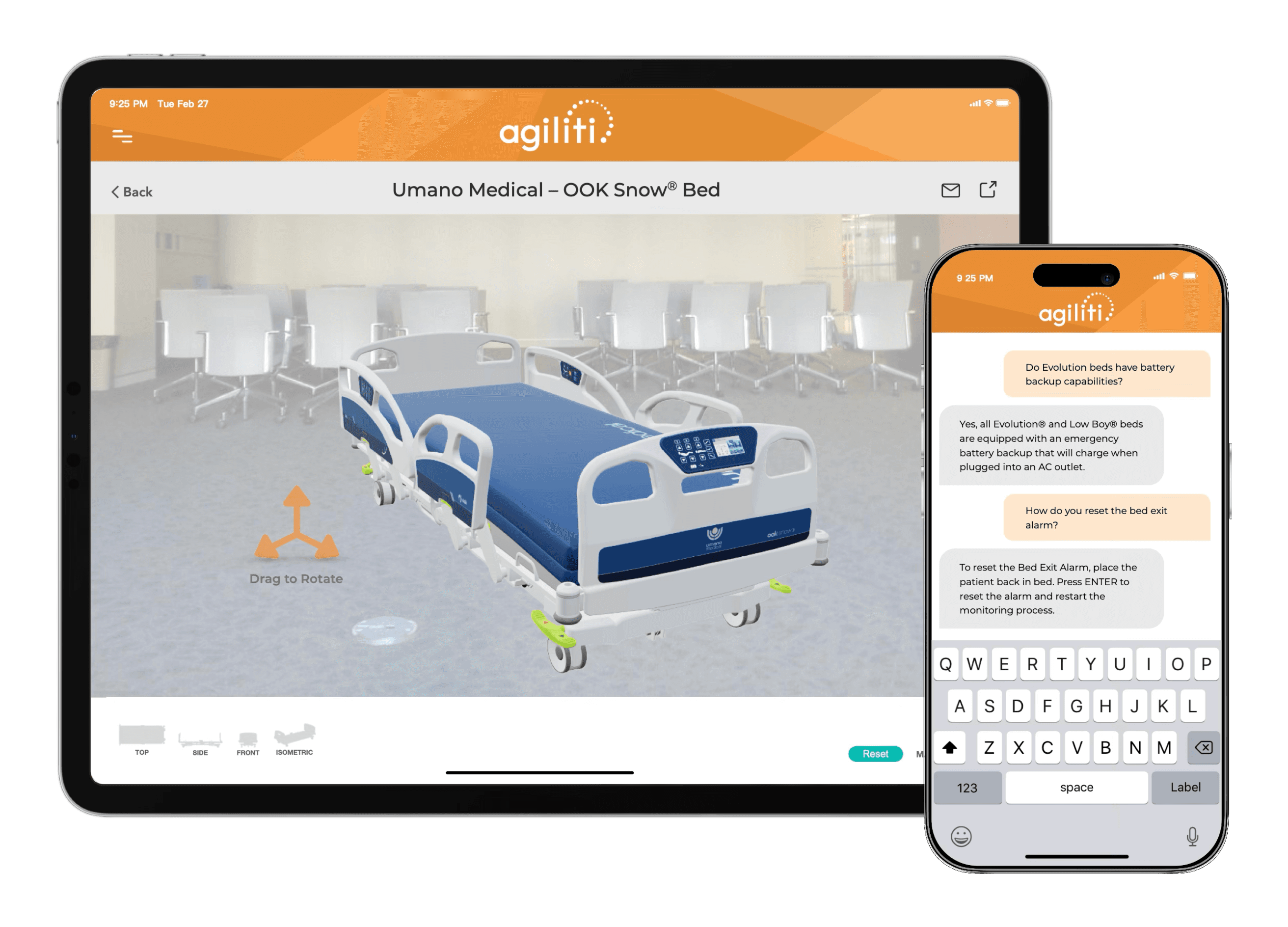
The examples below show how sales enablement platforms can bring those materials together into a more purposeful experience; organizing content around offers, buyer questions, sales stages, proof needs, and follow-up moments. The result is more than a centralized library, it’s a connected sales resource that helps reps navigate the conversation, gives buyers a clearer place to continue exploring, and creates a more consistent path from initial pitch through decision.
Explore the examples to see how sales content, proof, buyer education, and follow-up resources can come together in a more connected sales experience.
Best fit
Who Sales Enablement Platforms Help
Sales Teams
Tools, content, and systems that help teams sell with more clarity and consistency.
Mid-Market Companies
Right-sized systems and sprints that deliver impact quickly and scale with you.
Enterprise Organizations
Align complex teams, tools, and communications to drive transformation.
Marketing Leaders
Content systems and brand authority that attract, engage, and convert.
Step by step
01
Audit
We review the sales materials, proof points, follow-up assets, FAQs, decks, leave-behinds, and buyer resources already in use. The goal is to understand what exists, what is useful, what is outdated, what is duplicated, and where reps are losing time or consistency.
Sales material inventory
Content usefulness review
Gap, duplicate, and outdated asset audit
Rep workflow and buyer journey review
Proof point and case study assessment
Sales stage and objection mapping
02
Structure
We define the platform’s content architecture around how reps sell and how buyers decide. This includes the navigation, content hierarchy, sales stages, buyer concerns, offer relationships, follow-up paths, and proof organization.
Platform sections and navigation
Content hierarchy and taxonomy
Proof organized by offer, use case, industry, or objection
Buyer FAQ and follow-up paths
Pitch-to-leave-behind content mapping
Internal and buyer-facing content flows
03
Systemize
We turn the structure into a practical sales content system that can be used, maintained, and scaled. This includes defining governance, ownership, update rules, version control, archive logic, and the workflows that keep the platform useful over time.
Governance and ownership model
Approval and update workflows
Archive and version control rules
Rep guidance and usage patterns
Buyer resource organization
Scalable platform maintenance model
Related Services
Related Offerings for Sales Enablement, Buyer Content, and Follow-Up
Enablement Hubs & Communication Systems
Campaign Microsites & Resource Hubs
Campaigns, launches, offers, and initiatives need one focused destination where visitors can understand the message, explore relevant resources, and take the right next step.
Digital Products & Enterprise Platforms
Campaign & Lifecycle Communication Systems
Teams need one clear message map, sequence, template structure, channel plan, and follow-up system instead of creating campaign communication one message at a time.
Content, Search & AI Visibility
Content Repurposing & Publishing Strategy
Existing webinars, reports, presentations, interviews, videos, and sales materials are not being turned into coordinated content.
Enablement Hubs & Communication Systems
Decision-Support Tools & Calculators
Buyers, sales teams, or internal stakeholders need interactive tools to compare options, estimate value, or justify decisions.
Content, Search & AI Visibility
Proof & Case Study Development
Scattered customer examples, project outcomes, and approved evidence need to become clear case studies and reusable proof that buyers can understand.
Common questions
What is a sales enablement platform?
What problem does this offering solve?
Who is this offering for?
What is included?
Is the platform internal or buyer-facing?
Does this replace our CRM or sales enablement software?
