Enablement Hubs & Communication Systems
Decision-Support Tools & Calculators
Buyers, sales teams, or internal stakeholders need interactive tools to compare options, estimate value, or justify decisions.
When to use this offering
This offering is useful when buyers, sales teams, or internal stakeholders need a structured way to compare options, estimate value, evaluate fit, or justify an investment. The issue is often not a lack of information. It is that the decision logic is trapped in spreadsheets, sales conversations, proposal notes, or internal expertise instead of being organized into a tool people can understand and use.
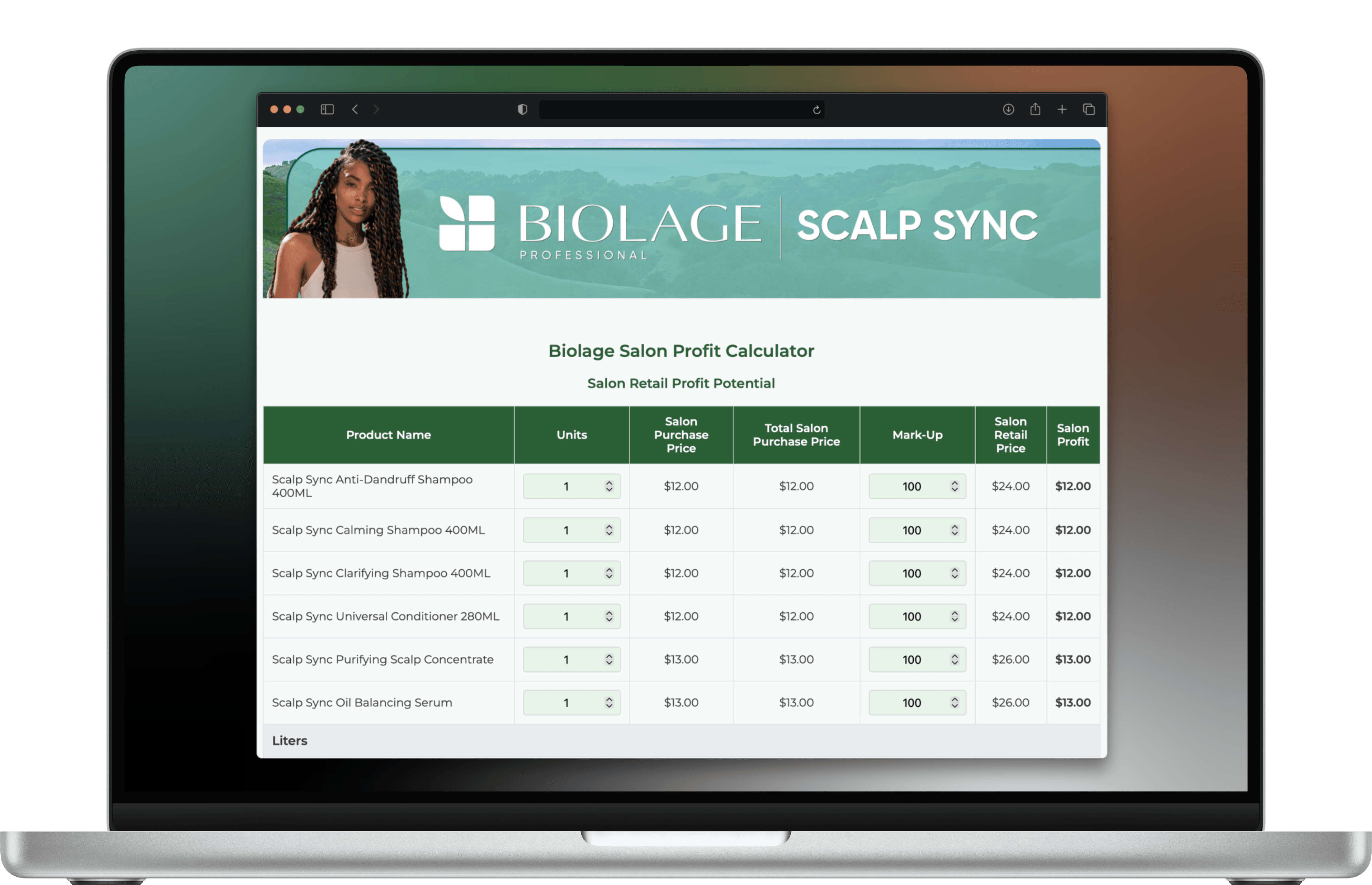
Buyers need help comparing options
Products, services, packages, scenarios, or approaches have important differences that are difficult to understand through static content alone.
Value logic lives in spreadsheets
Cost, savings, efficiency, effort, risk, and value assumptions exist internally but have not been turned into a buyer-ready experience.
Sales explains value differently
Each seller uses different calculations, examples, criteria, or explanations when discussing potential value and tradeoffs.
Internal champions need a business case
Buyers need a clearer way to explain the recommendation to finance, leadership, procurement, or other members of the buying group.
Assumptions are difficult to follow
Users see a score or estimate but cannot understand which inputs, ranges, formulas, or decision criteria produced the result.
Static content cannot guide the decision
A page, PDF, or presentation explains the offer but cannot adapt the information to the user’s priorities, situation, or constraints.
Campaigns need a more useful asset
A campaign, resource hub, or offer page needs something visitors can actively use to evaluate readiness, fit, value, or next steps.
Internal decisions lack structure
Executives and teams need a consistent worksheet, matrix, or assessment for comparing investments, priorities, vendors, or scenarios.
What you get
Deliverables may include a decision-tool focus brief, stakeholder input map, decision criteria framework, input and logic model, guided tool flow, wireframes, ROI or value calculator, comparison matrix, guided assessment, buyer decision guide, and handoff plan.
Decision-Tool Focus Brief
Stakeholder Input Map
Decision Criteria Map
Input and Logic Model
Guided Tool Flow
Clearer Decision Criteria
Transparent Assumptions
Easier Option Comparison
Stronger Value Conversations
More Useful Result Guidance
Repeatable Decision Support
ROI or Value Calculator
Comparison Tool
Guided Assessment
Buyer Decision Guide
Handoff and Use Plan
What this can include
What Decision-Support Tools & Calculators Can Include
Every tool is shaped by the decision it supports, the people involved, the available assumptions, the required inputs, the platform environment, and the next step the experience should encourage.
Great decisions are not made with data alone, they're made with better tools for evaluating all the options. The interactive example below demonstrates how a decision-support experience can help organizations compare complex opportunities using a consistent evaluation framework. In this illustrative scenario, potential AI initiatives are assessed against factors such as business value, implementation effort, organizational readiness, cost, risk, and strategic alignment. As you explore the opportunities, scoring models, supporting data, and recommendations, you’ll see how decision-support tools transform large amounts of information into practical guidance. The objective here is not simply to present data, but to help leaders understand tradeoffs, align stakeholders, and make more confident decisions about where to invest resources and why.
As you interact with the information, your decisions are reflected in real time.
Best fit
Who Decision-Support Tools & Calculators Help
Sales Teams
Tools, content, and systems that help teams sell with more clarity and consistency.
Marketing Leaders
Content systems and brand authority that attract, engage, and convert.
Executives
Turn expertise into visible influence and communicate with impact.
Mid-Market Companies
Right-sized systems and sprints that deliver impact quickly and scale with you.
Step by step
01
Define
We clarify the decision the tool needs to support, who will use it, who needs to trust the result, and what the experience should help the user do next.
Decision use-case definition
Buyer and stakeholder mapping
Tool audience definition
Option and scenario review
Buyer-question collection
Sales-use-case review
Existing spreadsheet or worksheet review
Platform and publishing constraints
Desired output definition
Next-step and CTA planning
02
Model
We define the criteria, questions, assumptions, formulas, scoring rules, ranges, weighting, and result states that form the tool’s decision logic.
Decision criteria mapping
Stakeholder input requirements
Approved input definition
Formula and calculation logic
Scoring and weighting models
Value-category definition
Assumption and caveat documentation
Comparison logic
Result-state definition
Finance, legal, or subject-matter review needs
03
Design
We turn the approved logic into a guided user flow, result experience, buyer-facing explanation, and handoff direction for design, development, campaigns, and sales follow-up.
Guided question flow
Tool wireframes
Input and help-text copy
Progress and interaction guidance
Results-page structure
Buyer decision summary
Downloadable output direction
Supporting proof placement
Sales follow-up prompts
Responsive behavior
Build and handoff guidance
Related Services
Related Offerings for Decision Support, Value Modeling, and Buyer Enablement
Enablement Hubs & Communication Systems
Campaign Microsites & Resource Hubs
Campaigns, launches, offers, and initiatives need one focused destination where visitors can understand the message, explore relevant resources, and take the right next step.
Digital Products & Enterprise Platforms
Application UX & Interface Design
Fluence improves application workflows, screens, interface patterns, and interaction behavior so users can complete important tasks with less confusion.
Strategy & Transformation
Cost-to-Value & Decision Support
Teams need to justify software, vendor, AI, or transformation investments with clearer value logic.
Strategy & Transformation
Business Case & Roadmap Development
A strategic idea needs to become a phased, credible, internally sellable plan.
Digital Products & Enterprise Platforms
Sales Enablement Platforms
Sales teams need a centralized place for pitch materials, proof, leave-behinds, follow-up content, and buyer education.
Common questions
What is a decision-support tool?
What problem does this offering solve?
Who is this offering for?
What is included?
Does this include the technical calculator build?
Who validates the financial assumptions?
