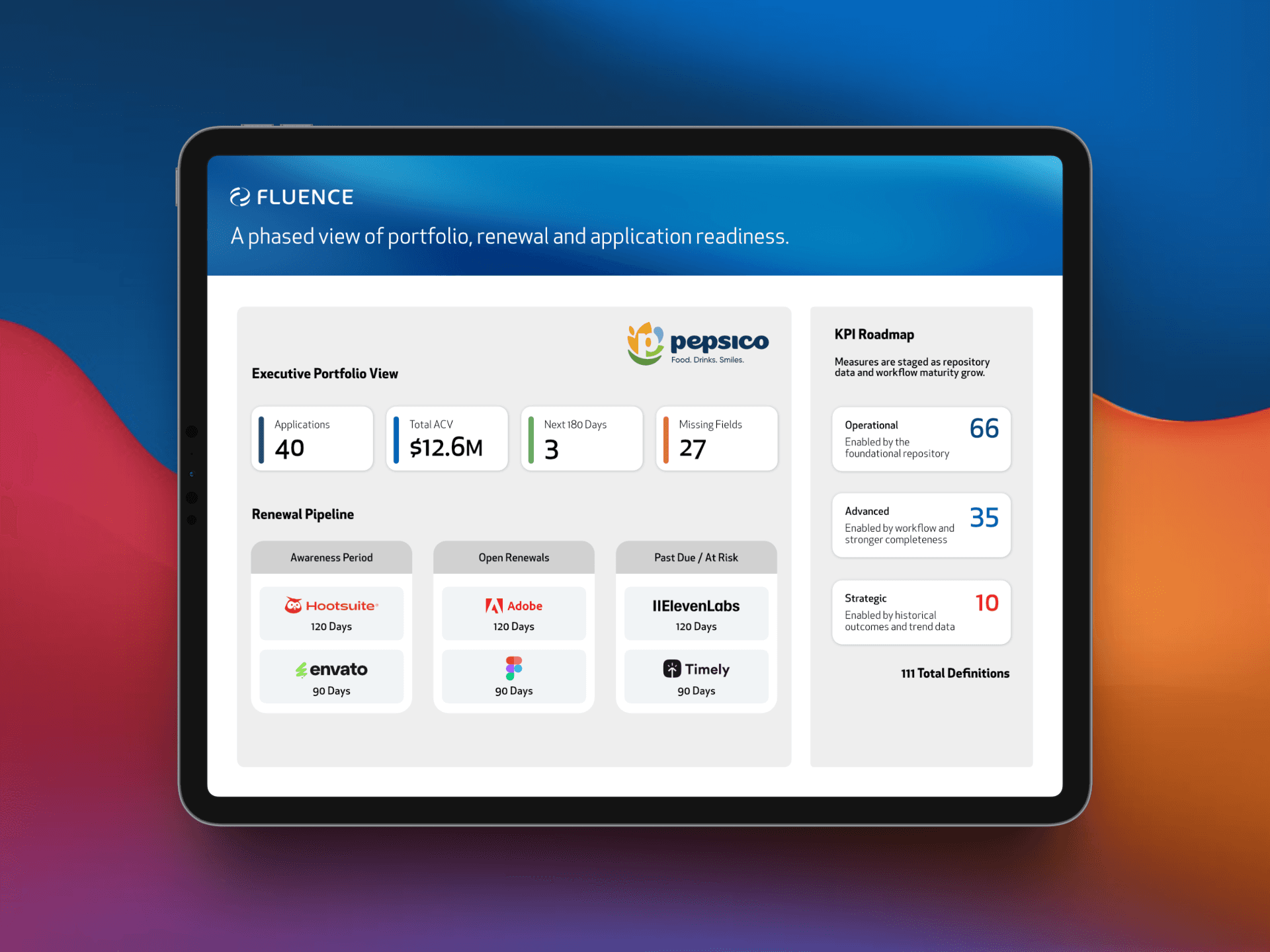
PepsiCo – From Evidence to Proof
CPG: Enterprise Operations & Automation
Strategy + Transformation
Intelligent Systems
Client
PepsiCo
Timeline
90 Days
Services
Proof & Case Study Development


Challenge
Strong work. Scattered evidence. No clear proof story.
Enterprise projects generate a vast collection of presentations, planning documents, wireframes, reviews, training materials, implementation assets, and operational knowledge. In the case of PepsiCo manufacturing and warehouse, the challenge wasn't finding evidence, it was determining which information mattered, how the pieces connected, and which stories were strong enough to become credible case studies.
Without that structure, valuable proof remained buried across the archive. Promising narratives were difficult to validate, important context was fragmented across teams, and operations groups lacked a clear way to transform valuable project history into useful evidence.
Strategic Insight
The strongest case study is rarely the largest project or the most visually impressive deliverable. It's the story with the clearest connection between business context, project decisions, supporting artifacts, and demonstrable evidence.
By treating project history as evidence rather than marketing content, Fluence could compare multiple narratives, identify the strongest proof opportunities, expose support gaps, and build stories around authentic, verified material.
What We Created
A structured proof-development system that transformed a fragmented project archive into a reusable enterprise case studies.
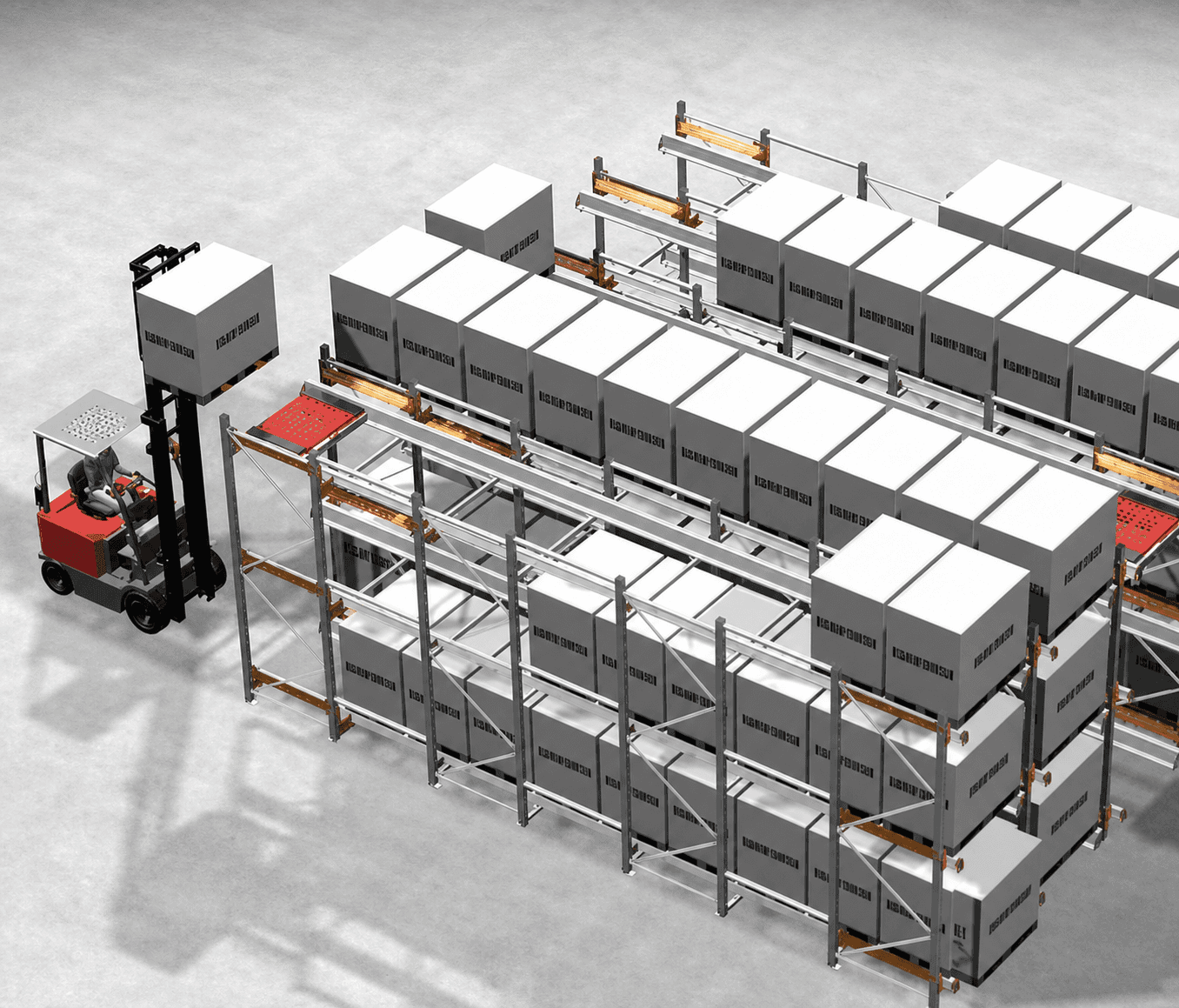
Fluence inventoried and evaluated the project material, grouped related artifacts, compared multiple potential narratives, and selected the Warehouse Automation Hub as the strongest proof candidate. We then connected source materials into a traceable evidence chain, classified potential claims by support level, and developed a reusable narrative framework for the operations and IT teams.
A forensic review organized thousands of project files across presentations, documents, spreadsheets, visual assets, reviews, and implementation materials to identify the evidence most relevant to buyer-facing stories.
Multiple narratives were evaluated for buyer relevance, evidence strength, completeness, differentiation, visual potential, and permission readiness before a primary proof story was selected.
Source artifacts from ideation, planning, architecture, design, implementation, and enablement activities were connected into a traceable sequence that documented how the project evolved.
Potential case-study claims were classified as supported, partial, missing, or requiring review, creating a clear distinction between documented evidence and unsupported assumptions.
The strongest evidence was translated into a concise narrative covering customer context, buyer problem, work completed, supporting artifacts, and available outcomes.
The completed proof story was structured for reuse across website content, sales proof cards, proposal inserts, executive presentations, and buyer follow-up materials.
RESULTS + SIGNALS
What success looked like.
The engagement transformed a fragmented archive of enterprise project history into a defensible proof stories with a clear evidence lineage, explicit claim boundaries, and multiple reusable formats.
EVIDENCE AUDIT
A multi-year collection of project docs, presentations, spreadsheets, design assets, and working files was inventoried and assessed for evidence value and story potential.
STORY PRIORITIZATION
Potential proof stories were evaluated for buyer relevance, evidence strength, completeness, differentiation, and readiness before a primary narrative was selected.
CLAIM DISCIPLINE
Supported, partial, missing, and review-required classifications established a clear boundary between documented proof and unsupported claims.


WHAT THIS PROVES
Strategy + Transformation
Intelligent Systems
Related Work